MONIQUE WINGARD · SPEAKING & WORKSHOPS
Less panic.
More possibility.
Bring media literacy, critical thinking, and a more thoughtful approach to technology to your school. I help students and the adults who support them ask better questions, evaluate what they encounter online, and make informed choices.
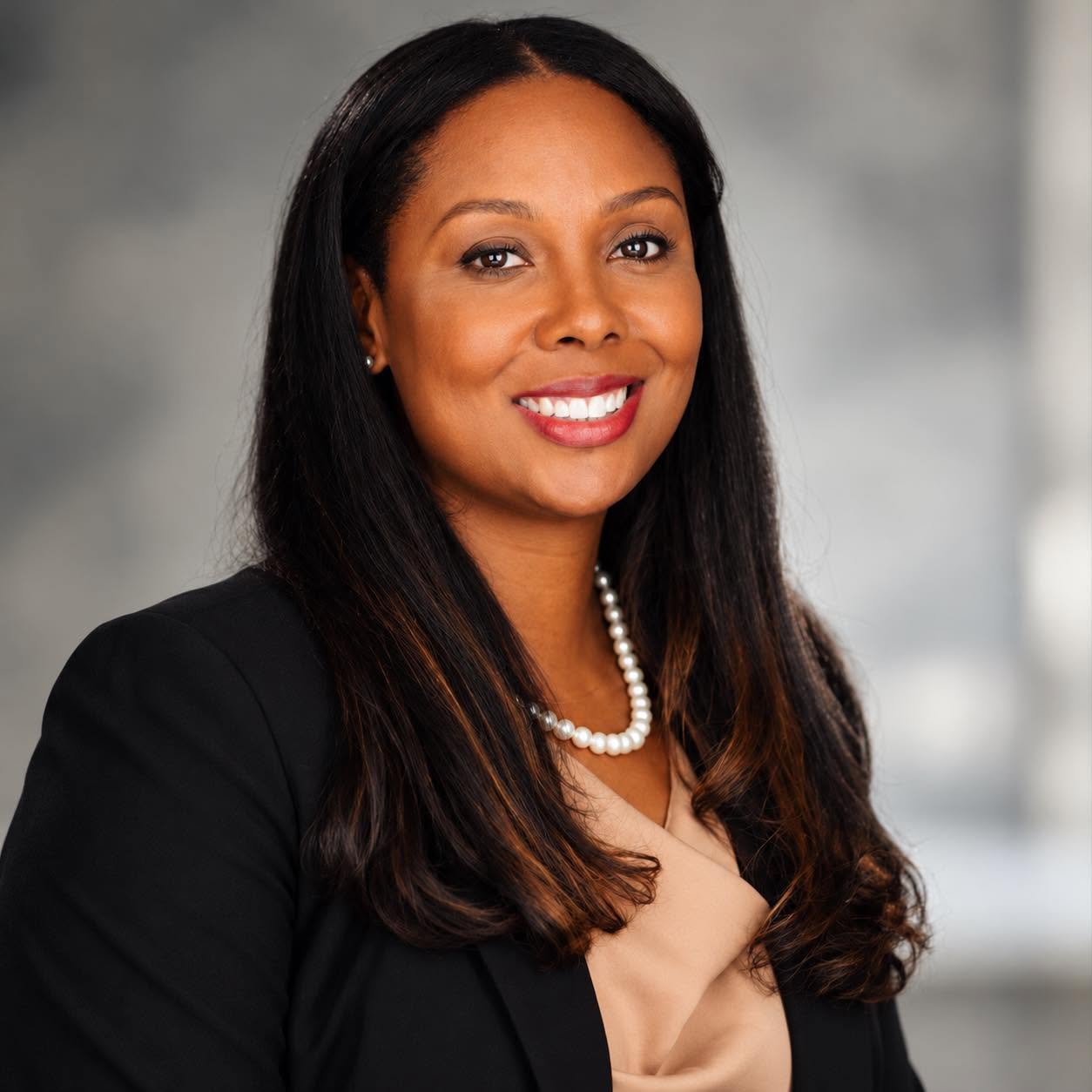
Pedagogy over panic. Always.
Young people are already living in a digital world. They deserve the tools to understand it—and the confidence to question it. My approach connects research, real-world media experience, and meaningful conversation to help audiences think critically about the information, technology, and stories shaping their lives.

Big questions. Practical takeaways.
Four featured sessions for students and the adults who support them.
Think Before You Click
For middle and high school students, youth programs, and student leaders.
A student-centered conversation about how information spreads, why context matters, and what responsible participation online looks like. Students practice questioning a claim, checking its source, and thinking through the impact of sharing it.
Focus: Evaluate online information • Recognize bias and misleading messages • Make thoughtful sharing decisions
Pedagogy Over Panic
For educators, school leaders, and professional learning communities.
Move from concern about students’ digital lives to practical teaching opportunities. Explore ways to bring media and news literacy into classroom discussions, help students examine credibility, and make room for ethical questions about technology.
Focus: Build critical inquiry into instruction • Facilitate meaningful discussion • Identify practical media literacy resources
AI, Meet Critical Thinking
For secondary and college students, educators, and campus communities.
What should we ask before trusting an AI-generated answer? Examine credibility, representation, authorship, and accountability through the same critical lens we bring to other media.
Focus: Question AI-generated claims • Consider bias and missing context • Discuss responsible use and attribution
Beyond the Screen
For parents, caregivers, and school-community audiences.
Create space for a more useful conversation about young people’s digital lives. Explore the messages, platforms, and social pressures they encounter, with questions families can use to encourage reflection and keep communication open.
Focus: Start constructive conversations • Examine online influence • Encourage thoughtful digital participation
Explore More Speaking Topics
Choose a topic below to explore the audience, focus, and takeaways. Sessions are approachable and can be tailored to your group.
The Power of Social Media
For: Students from middle school through college, parents, educators, nonprofits, and community groups.
Explore how social media influences what we believe, what we buy, how we see ourselves, and how we treat others. This approachable session connects everyday online experiences with habits for more intentional participation.
Takeaways: Recognize social influence, examine media messages, and make more deliberate choices online.
Polarized: Media, Misinformation, and Trust
For: College audiences, educators, community organizations, and leadership groups.
Examine how misinformation spreads and how media experiences can shape trust in news and in one another. Participants explore ways to evaluate claims and have more constructive conversations across differences.
Takeaways: Evaluate information, reflect on trust, and practice asking questions that open dialogue.
Big Data, Big Questions
For: High school and college students, educators, and community audiences.
Every search, scroll, and connected device can leave a data trail. This session introduces big data in everyday terms, exploring how information is collected and used, who benefits, and why privacy and ownership deserve our attention.
Takeaways: Recognize everyday data collection and ask informed questions about privacy, value, and control.
Hate Speech in Digital Spaces
For: College audiences, educators, youth leaders, and community and equity-focused organizations.
Explore the connections between online hate, bias, and power, including how harmful messages circulate and how coded language can obscure their meaning. Consider ways schools and communities can support people affected and encourage accountability.
Takeaways: Recognize harmful patterns, consider context and impact, and discuss thoughtful responses.
The Future of Education
For: Teachers, school leaders, district teams, and education organizations.
Look beyond the next new tool to the learning experiences students need. This session focuses on bringing media literacy into curriculum, supporting student voice, and preparing young people to participate thoughtfully in a changing digital world.
Takeaways: Connect media literacy to learning priorities, strengthen student agency, and identify opportunities for curriculum integration.
Your audience. Your goals. A conversation that fits.
Plan a student assembly, interactive workshop, educator professional development session, family engagement event, campus lecture, keynote, or moderated conversation. Topics and session scope can be shaped around your audience, age group, and learning priorities.
60 minutes · Foundations
A clear, accessible introduction with real-life examples and time for Q&A. A practical fit for assemblies, classroom visits, staff meetings, and conference sessions.
90 minutes · Put it into practice
An extended presentation with guided discussion, scenario practice, or a hands-on activity. A practical fit for professional development, youth programs, and community workshops.
Schools are at the heart of this work. Colleges, libraries, youth-serving organizations, community groups, associations, and workplace teams are also welcome to inquire. In-person and virtual requests are welcome; availability and format are confirmed during planning.
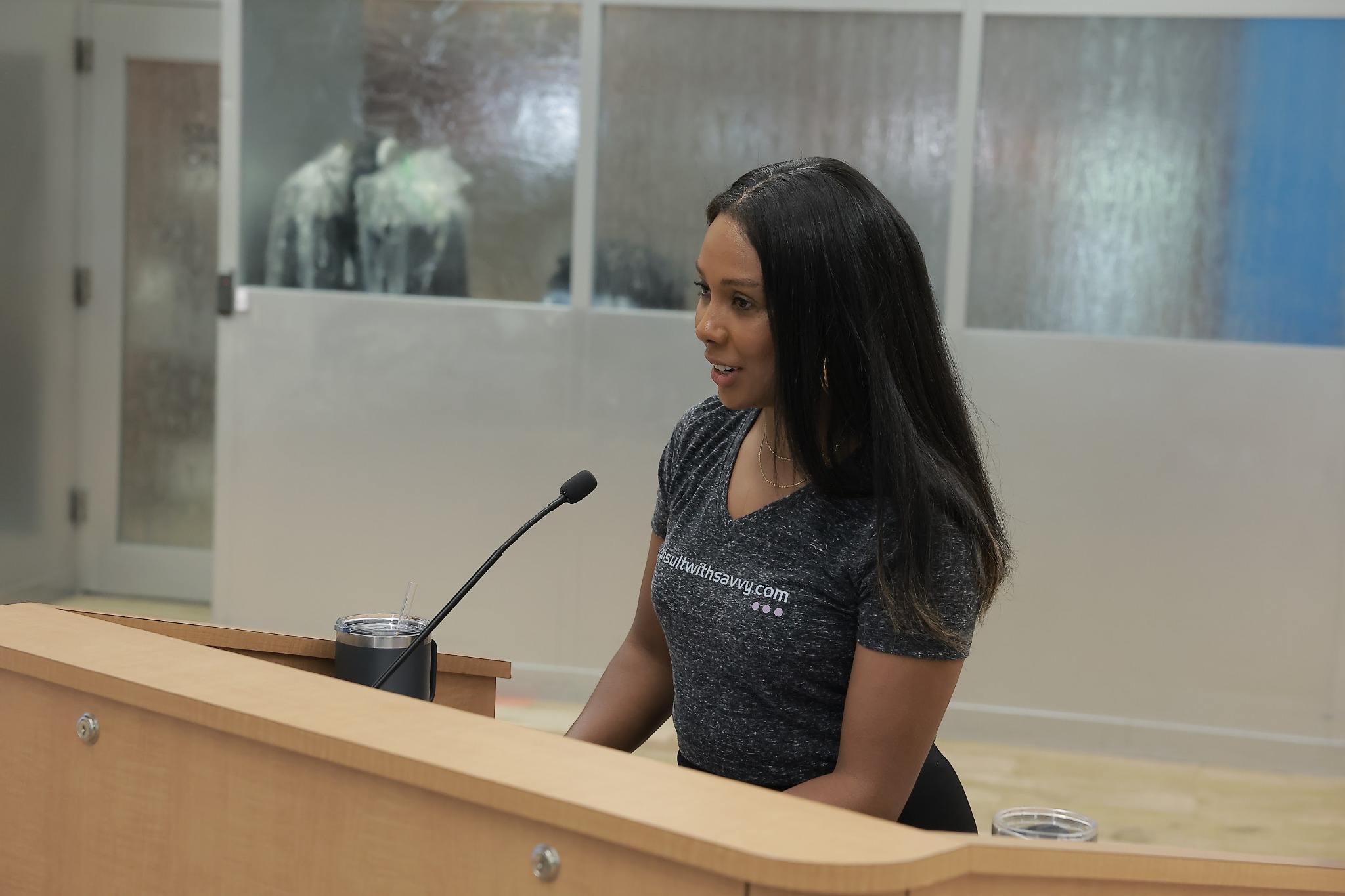
A scholar’s perspective. A journalist’s questions. An educator’s purpose.
I’m Monique Wingard, a media literacy scholar, educator, journalist, and founder of SAVVY Consulting & Communications. My research examines how adolescent girls develop critical thinking skills and navigate digital spaces, with particular attention to misinformation, representation, and ethical online engagement.
My experience spans higher education, journalism, digital strategy, and community work. I have taught at institutions including Howard University, Ohio University, Cleveland State University, and Kent State University, where I am pursuing a Ph.D. in Communication and Information.
Selected speaking and moderating experience: Top Teens of America’s Area V Leadership Conference; Ohio Tech Day at Cleveland Public Library; the National Association of Black Journalists’ 50th Annual Convention; and Design for America’s Leadership Studio at Northwestern University.
Explore recent talks · Read my full bio
From first inquiry to a purposeful event
- Tell me about your audience. Share your event, preferred dates, and what you want participants to take away.
- Shape the right session. We’ll discuss fit, format, learning priorities, speaker fees, and any travel or technology needs.
- Confirm the details. The date, scope, and booking terms are agreed upon before your engagement is confirmed.
Still developing your program or budget? Share what you know. An inquiry starts the conversation; it does not reserve a date.
Let’s bring this conversation to your school.
Tell me what you’re planning. Use the form below to request availability and discuss a speaking engagement for your school or organization.


Please include event-planning details only; student names or other private student information are not needed.


You must be logged in to post a comment.